Riding Out a Major Storm: With vs. Without a Standby Generator
When the wind howls and the rain lashes against your windows, one question can mean the difference between comfort and chaos:
Do you have a standby generator?
Let’s paint two very different pictures.
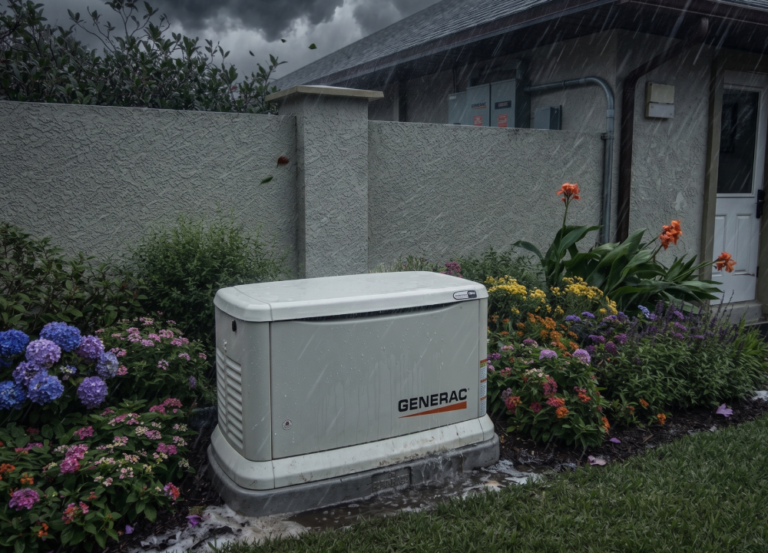
With a Standby Generator
The lights flicker, but stay on.
Your fridge hums quietly, keeping food safe.
Air conditioning keeps the humidity at bay.
Wi-Fi stays connected, letting you track the storm and check in with loved ones.
Without a Standby Generator
Darkness.
The food in your fridge spoils.
The air turns heavy and sticky.
Your phone battery ticks down, cutting you off from the outside world.
Why Preparation in Florida Isn’t Optional
Growing up in Florida, we know that storms aren’t “if,” they’re when. And lately, the “when” has been coming sooner and hitting harder.
- Hurricane Helene (September 2024) delivered historic storm surges of up to 8 ft in parts of Tampa Bay. The storm left more than 1.3 million residents without power and tragically claimed 17 lives.
- Less than two weeks later, Hurricane Milton , the closest storm to Tampa Bay in over a century, brought 100mph winds, cutting power to more than 500,000 homes.
- In June 2025, a sudden EF2 tornado in Pinellas County tore through neighborhoods, damaging homes and proving that even “routine” storms can carry serious risks.
These events aren’t just news stories, they’re warnings.
5 Steps to Be Storm-Ready
1. Secure Your Property
- Trim over hanging branches
- Clear gutters to prevent water damage
Bring in outdoor furniture so it doesn’t turn into flying debris
2. Protect Your Power Supply
- Install a home standby generator that automatically turns on when the grid fails.
- Maintain your generator and keep fuel levels topped up
Test it before hurricane season, you dont want surprises mid-storm
3. Stock Up on Essentials
- Battery-powered flashlights and extra batteries
- Non-perishable food and bottled water (1 gallon per person/day for three days).
- Fully charged power banks for devices
First aid kit and prescription medications.
4. Safeguard Critical Systems
- Use surge protectors to guard electronics against lightning-induced power surges.
Have a backup heating or cooling plan for extreme weather.
5. Create a Family Emergency Plan
- Agree on a safe room or meeting spot in case of evacuation.
Keep emergency contacts written down, not just stored on your phone.
Florida Storm Reality Check: With vs. Without Backup Power
| During a Major Storm | With a Standby Generator | Without a Standby Generator |
| Power Supply | Immediate, automatic backup power. | Dark for hours, or even days. |
| Food & Water | Fridge/freezer stay cold; water pumps run. | Spoilage; possible water access issues. |
| Comfort & Safety | Lights, AC, and devices stay powered. | Heat, darkness, unsafe movement. |
| Medical Needs | Life-support and meds remain powered. | High risk for vulnerable residents. |
| Communication | Stay connected – Wi-Fi, news, calls. | Isolation and uncertainty grow. |
| Peace of Mind | Calm and focused on safety. | Stress, fear, and helplessness. |
Peace of Mind, Rain or Shine
In Florida, storms like Helene, Milton, and other sudden tornadoes can flip your world upside down in minutes. Preparing ahead matters. By securing your home, stocking up on essential supplies, and powering through with a dependable standby generator, you’re not just surviving the storm, you’re staying in control.
A home standby generator does more than keep the lights on. It safeguards your family, your comfort, and your peace of mind.
Before the clouds roll in, make sure you’re storm-ready. At Suncoast Generators, we know Florida’s storms and we know how hto keep your home powered when it matters most.
Call us today at 813) 829-0037 to schedule your free home generator consultation.