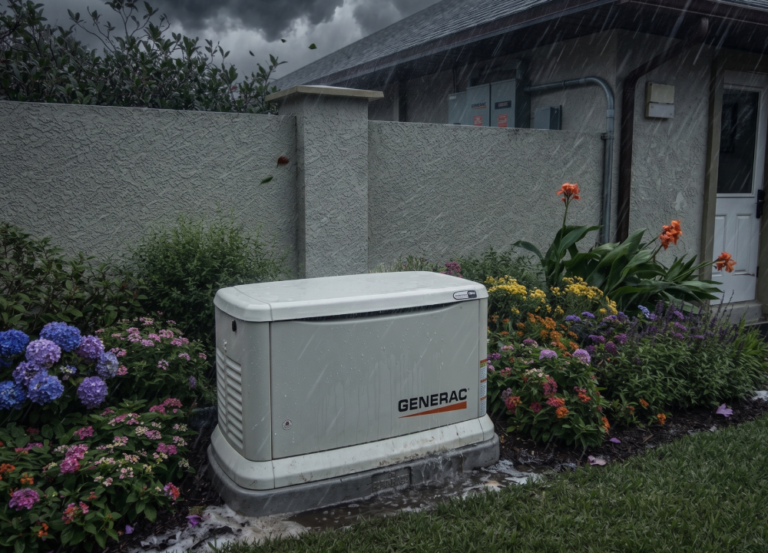
One of the smartest investments you could make to protect your home and your peace of mind during unexpected outages, is a home standby generator. It’s not just a machine; it’s a sophisticated power system built to kick in when everything else shuts down. But here’s the truth: your generator is only as good as its maintenance. To perform at its peak, it requires a structured maintenance plan that identifies wear and tear early, prevents failures before they start, and keeps your system in top shape day after day.
Let’s break down the essential maintenance tasks every generator needs to stay ready for anything 2026 (and beyond) throws your way.
1. Schedule Regular Oil Changes
Clean oil keeps your generator’s heart pumping smoothly. Dirty oil leads to friction, heat, and premature wear – a recipe for failure.
Pro tip: Change the oil after the first 25 hours of use, then every 100–200 hours (or at least once a year). Your engine will thank you with longer life and cooler runs.
2. Replace the Air Filter
Dirty air filters make the engine work harder than they need to and burn more fuel, which is not ideal when you are running through a storm.
Pro tip: Complete regular generator air filter replacement to maintain clean airflow and steady power output. It’s one of the simplest ways to keep your system efficient and reliable.
3. Check and Replace Spark Plugs
When spark plugs wear out, your generator loses efficiency, or worse, won’t start at all.
Pro tip: Annual checkups during your professional service can help catch weak plugs early and prevent frustrating startup failures.
4. Inspect the Fuel System and Lines
Fuel keeps your generator alive but leaks or cracks in fuel lines can quickly kill reliability and create safety risks.
Pro tip: Have a technician inspect hoses, fittings, and pressure levels regularly to ensure smooth fuel flow for propane or natural gas systems.
5. Test and Clean the Battery
Here’s a fact: Battery failure is one of the top causes of generator breakdowns.
Pro tip: Test your battery, clean corrosion off terminals, and ensure strong voltage. A little attention here means confidence your generator will start up the instant it’s needed.
6. Perform Exercise Runs and Load Testing
Your generator needs a workout, too. Running load tests under simulated outage conditions ensures it can handle your home’s actual power demand.
Pro tip: Routine generator load tests ensure dependable, stable power output when you need it most. Why it matters? It’s the difference between “lights on” and “lights out” when a real outage hits.
7. Inspect Electrical Connections
Loose wires or corroded terminals are silent performance killers.
Pro tip: A qualified technician should tighten, clean, and verify every connection, including transfer switches to keep electricity flowing exactly where it should during your home generator service.
8. Keep Software and Firmware Updated
Today’s generators are smart, but only as smart as their latest update.
Pro tip: Updating your generator’s firmware ensures smoother performance, smarter communication, and compatibility with remote monitoring systems.
The Suncoast Takeaway: Maintenance = Power You Can Count On
Your generator is built to last for years, but only if you prioritize generator repair and maintenance. Routine generator maintenance safeguards your investment, prevents costly breakdowns, and gives you what money can’t buy: peace of mind.
Because when the next outage strikes, you won’t be left in the dark. You’ll hear the hum of confidence, the sound of a Suncoast – powered home.
Ready to Keep Your Power Game Strong?
Contact Suncoast today to schedule your professional generator maintenance service. Our certified technicians make sure your system is primed, protected, and always ready when you need it most.